Technology is changing really fast. AI tools are becoming part of almost every workplace, companies are automating daily tasks, and new data platforms keep coming every year.
Because of this, many students and working professionals ask the same question:
“Is Excel still worth learning in 2026?”
The answer is yes.
Even today, Excel is one of the most useful workplace skills you can have. Whether you’re looking for your first job, planning a career switch, or trying to grow in your current role, Excel is still something employers expect you to know.
You may hear people talking about Power BI, SQL, Python, or AI every day, but the reality is that Excel still sits at the center of a lot of business work.
Let’s see why.
Excel Is Everywhere
One of the biggest reasons Excel is still relevant is simple—almost every company uses it.
It doesn’t really matter if it’s a startup, a manufacturing company, a hospital, a bank, or a digital marketing agency. Excel is used almost everywhere for day-to-day work.
Some common examples include:
- Sales reports
- Budget planning
- Expense tracking
- Employee records
- Customer databases
- Inventory management
- Marketing reports
- Business analysis
Even companies with expensive software still export their data to Excel because it’s quick, flexible, and familiar.
Excel Is the Starting Point for Data Careers
If you’re planning to become a Data Analyst or Business Analyst, don’t make the mistake of skipping Excel.
Many beginners think they should learn Python or Machine Learning directly. But that’s usually not how most professionals start.
Excel teaches you the basics that every data professional needs:
- Organizing data properly
- Cleaning messy datasets
- Using formulas
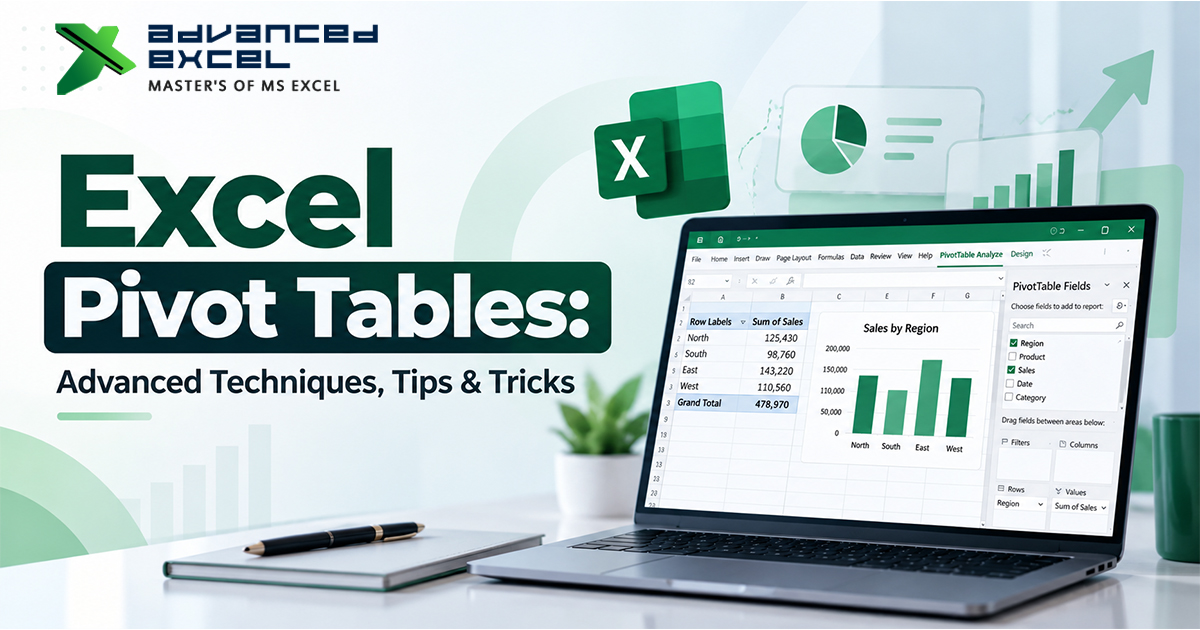
- Creating PivotTables
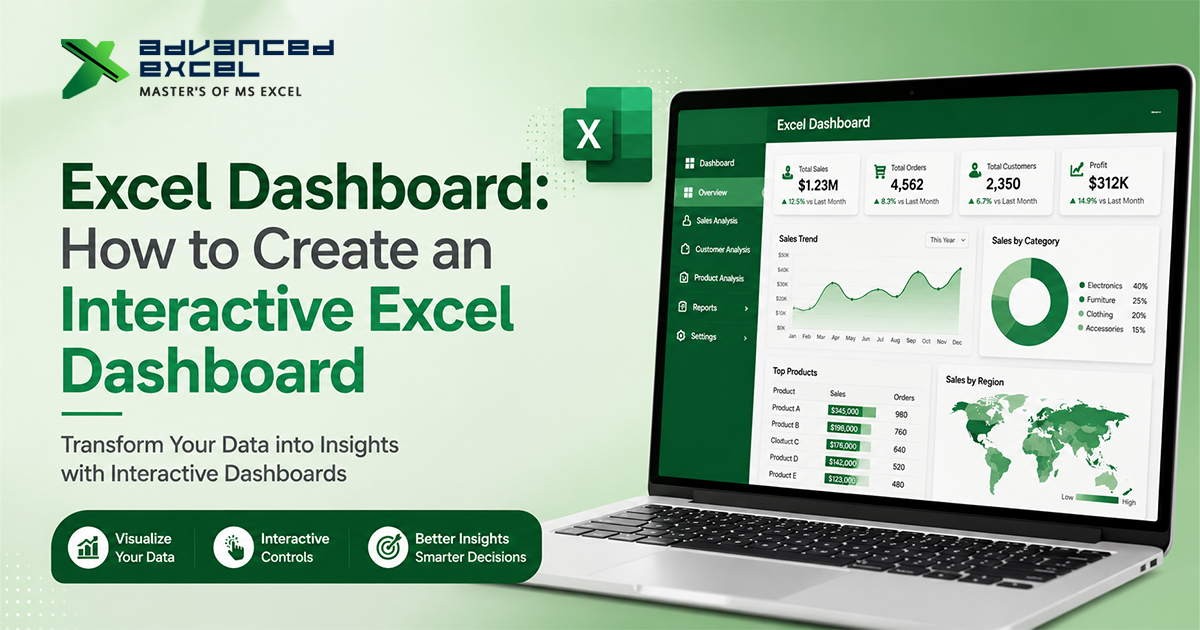
- Building dashboards
- Finding trends in data
Once you’re comfortable with these things, learning SQL, Power BI, or Python becomes much easier.
That’s why so many training institutes and companies still recommend starting with Advanced Excel.
AI Didn’t Replace Excel
When AI became popular, many people thought Excel would slowly disappear.
That hasn’t happened.
Instead, AI has made Excel even better.
Now you can get help generating formulas, analyzing data, creating charts, and finding insights much faster than before.
But there’s one important thing.
AI can suggest answers, but you still need to understand your data. If you don’t know how Excel works, it becomes difficult to check whether AI is giving you the right result or not.
So instead of replacing Excel, AI is actually making Excel users more productive.
Recruiters Still Look for Excel Skills
Open almost any job portal, and you’ll notice something interesting.
Many job descriptions still mention Excel as either a required skill or a preferred one.
You’ll commonly see Excel listed for roles like:
- Data Analyst
- Business Analyst
- MIS Executive
- Accountant
- Financial Analyst
- Operations Executive
- HR Executive
- Marketing Executive
Even when companies ask for Power BI or SQL, they usually expect candidates to already know Excel.
Excel Helps You Finish Work Faster
Knowing Excel isn’t only about getting a job.
It also helps you perform better once you’re hired.
Instead of spending hours doing repetitive work, you can automate many tasks using features like:
- XLOOKUP
- IF Functions
- PivotTables
- Conditional Formatting
- Power Query
- Excel Tables
- Charts and Dashboards
- Basic Macros
These tools save time, reduce mistakes, and make reports much easier to manage.
Managers notice people who can complete work accurately and on time.
Excel Works Well with Other Tools
One reason Excel has survived for so many years is that it works nicely with other business software.
You can connect Excel with:
- Power BI
- SQL databases
- Microsoft Teams
- Power Automate
- SharePoint
- Google Sheets
- ERP software
- CRM platforms
Instead of competing with these tools, Excel works alongside them.
Small Businesses Still Depend on Excel
Not every company has a huge budget for expensive software.
Thousands of small businesses still use Excel every single day to manage:
- Sales
- Expenses
- Payroll
- Attendance
- Customer records
- Monthly reports
For them, Excel is affordable, easy to learn, and gets the job done.
That’s one of the biggest reasons why Excel isn’t going anywhere anytime soon.
Excel Is Beginner-Friendly
Learning programming can feel overwhelming if you’re just starting your career.
Excel is much easier.
You don’t need to know coding to:
- Analyze data
- Build reports
- Create dashboards
- Solve business problems
Once you become confident in Excel, learning more advanced tools becomes a smoother journey.
Excel Keeps Getting Better
Excel today is very different from what it was ten years ago.
Microsoft keeps adding useful features, including:
- XLOOKUP
- Dynamic Arrays
- LET Function
- LAMBDA
- Power Query improvements
- Better collaboration with Microsoft 365
- AI-powered assistance
So even experienced Excel users continue learning something new.
Who Should Learn Excel?
Excel is useful for almost everyone, including:
- Students
- Fresh graduates
- Job seekers
- Working professionals
- Business owners
- Accountants
- HR professionals
- Marketing executives
- Operations teams
- Data Analysts
No matter what industry you work in, Excel is a skill you’ll probably use at some point.
Final Thoughts
Technology will continue to change. AI will become smarter, and new software will keep entering the market.
But one thing hasn’t changed—businesses still need people who can understand data and turn it into useful information.
Excel helps you build exactly that skill.
If you’re planning your career in analytics, finance, business operations, or management, learning Advanced Excel is still a smart investment. It gives you a strong foundation, improves your productivity, and prepares you to learn more advanced tools in the future.
Excel isn’t an old skill. It’s a skill that has continued to evolve, and that’s exactly why it still matters.